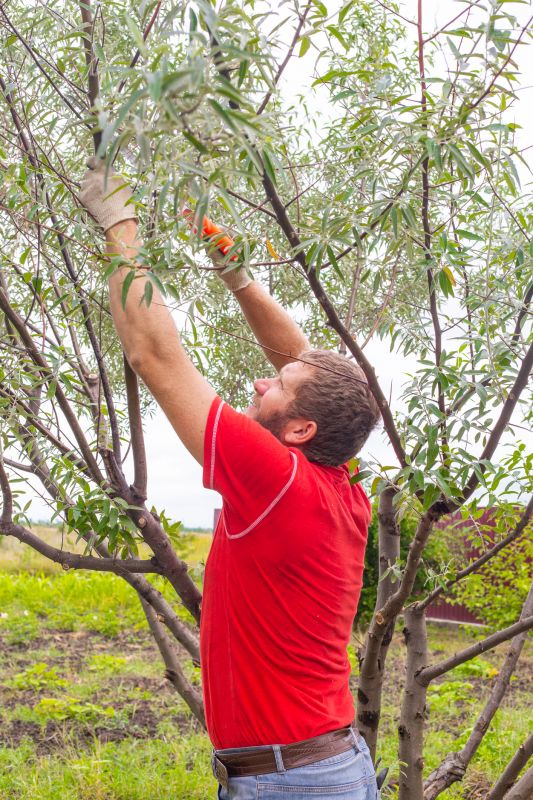
Pear Tree Pruning in Allentown, PA
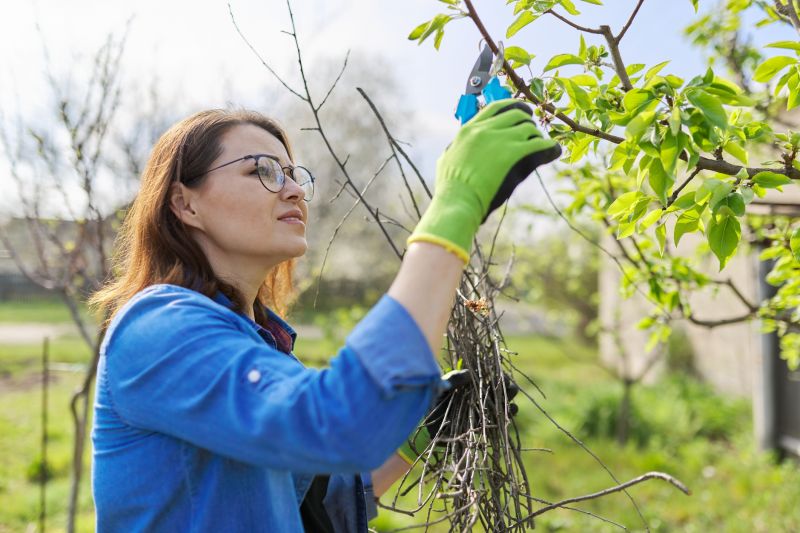
Pear Tree Pruning services involve carefully trimming and shaping pear trees to promote healthy growth, improve fruit production, and maintain an attractive appearance. This service covers a variety of projects, including removing dead or damaged branches, reducing canopy size for better sunlight exposure, and shaping trees to fit the landscape. Homeowners often seek pruning to enhance the safety of their property, prevent branch breakage, or prepare trees for seasonal changes, ensuring their trees remain healthy and visually appealing.
Before requesting pear tree pruning, property owners typically want to understand the scope of work needed, such as whether deadwood removal or crown thinning is required. It is also helpful to consider the timing of pruning to support optimal growth and fruiting cycles. Clarifying the specific goals for the trees, whether for aesthetics, safety, or health, can help ensure the pruning process aligns with property maintenance plans.
Many property owners in Allentown, PA look into Pear Tree Pruning for repairs, replacements, upgrades, and appearance-related improvements.
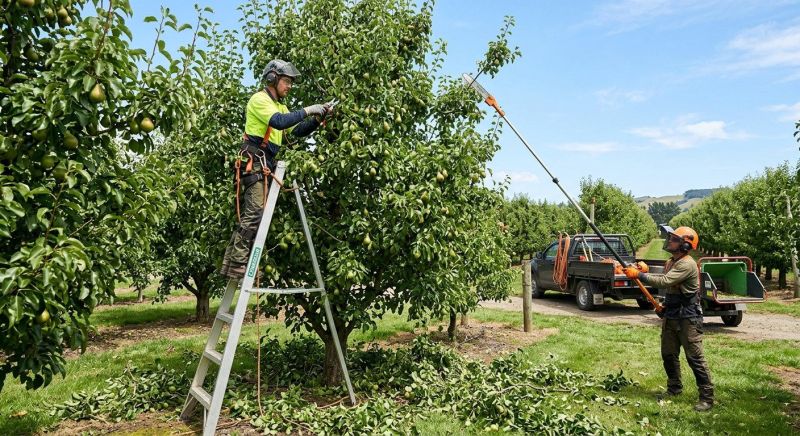
Tree Pruning Benefits
Proper pruning enhances tree health and maintains attractive shapes for property landscapes.
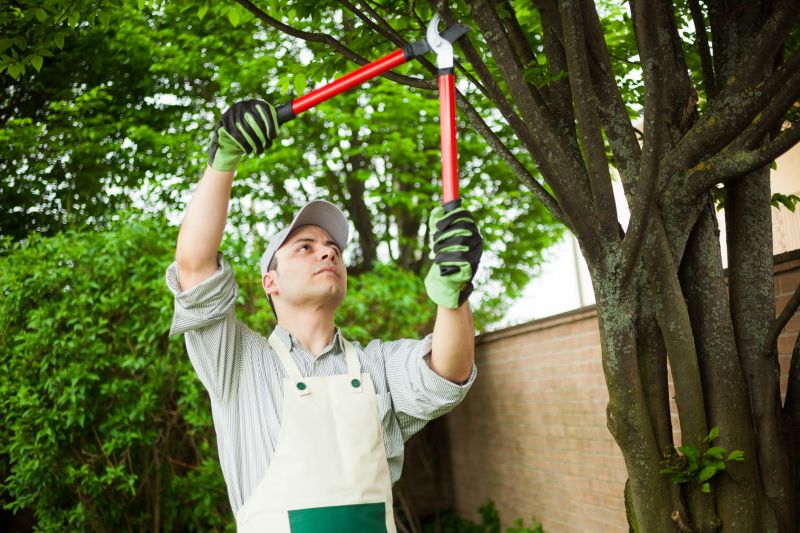
Pruning Techniques
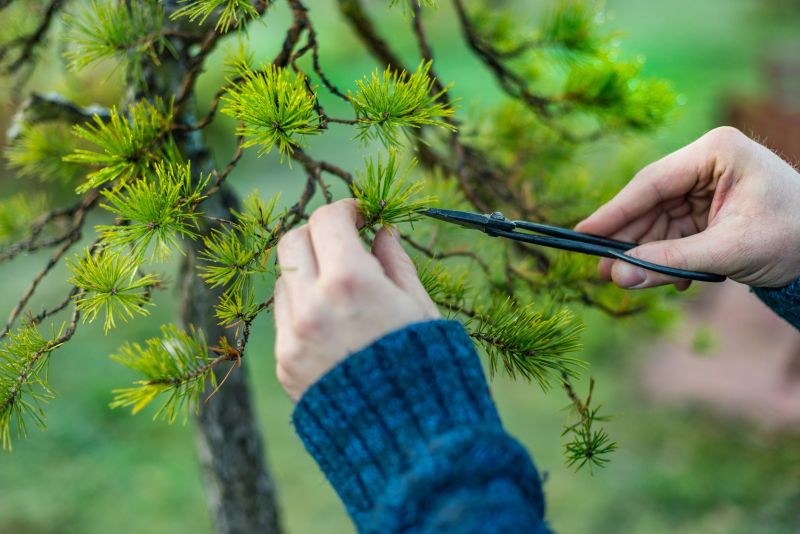
Different methods are used to remove dead or overgrown branches, promoting safety and growth.
Maintenance Tips
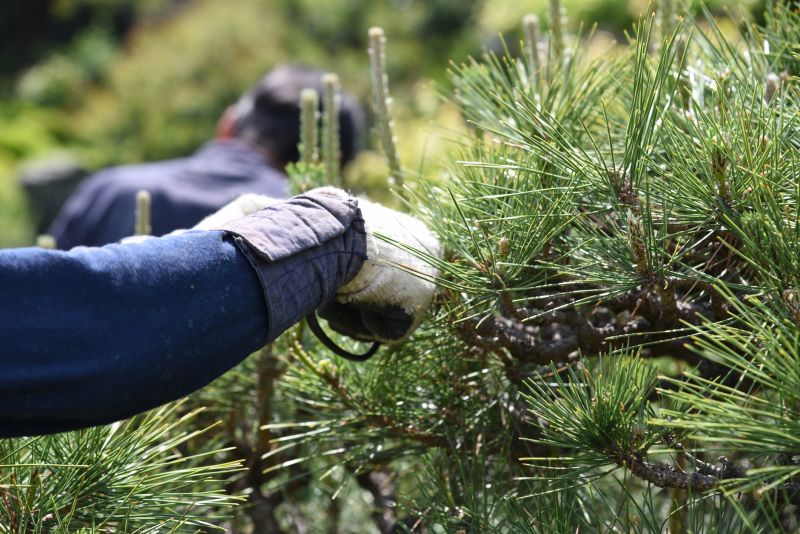
Regular pruning helps prevent hazards and keeps trees looking their best in allentown neighborhoods.
Pear Tree Pruning in Allentown, PA

Pear Tree Pruning services involve carefully trimming and shaping pear trees to promote healthy growth, improve fruit production, and maintain an attractive appearance. This service covers a variety of projects, including removing dead or damaged branches, reducing canopy size for better sunlight exposure, and shaping trees to fit the landscape. Homeowners often seek pruning to enhance the safety of their property, prevent branch breakage, or prepare trees for seasonal changes, ensuring their trees remain healthy and visually appealing.
Before requesting pear tree pruning, property owners typically want to understand the scope of work needed, such as whether deadwood removal or crown thinning is required. It is also helpful to consider the timing of pruning to support optimal growth and fruiting cycles. Clarifying the specific goals for the trees, whether for aesthetics, safety, or health, can help ensure the pruning process aligns with property maintenance plans.
Many property owners in Allentown, PA look into Pear Tree Pruning for repairs, replacements, upgrades, and appearance-related improvements.
Common Pear Tree Pruning Jobs
Tree pruning - helps maintain tree health and encourages proper growth.
Crown reduction - reduces the size of overgrown branches to improve safety and aesthetics.
Formative pruning - shapes young trees to develop a strong structure for the future.
Thinning - removes interior branches to improve air circulation and light penetration.
Deadwooding - eliminates dead or diseased branches to prevent potential hazards.
Seasonal pruning - maintains trees and shrubs throughout different times of the year.
Pear Tree Pruning Questions
Why should I prune pear trees? Pruning helps maintain tree health, encourages better fruit production, and shapes the tree for safety and aesthetics.
When is the best time to prune pear trees? The ideal time is during late winter or early spring before new growth begins.
What tools are used for pear tree pruning? Sharp pruning shears, loppers, and saws are commonly used to remove dead or overgrown branches.
How can improper pruning affect pear trees? Incorrect pruning can lead to weak growth, disease susceptibility, or reduced fruit yield.
Request Pear Tree Pruning in Allentown, PA
Use the quote form on this page to share the basics of your project and request more information for the type of work you need.