Canopy Pruning in Allentown, PA
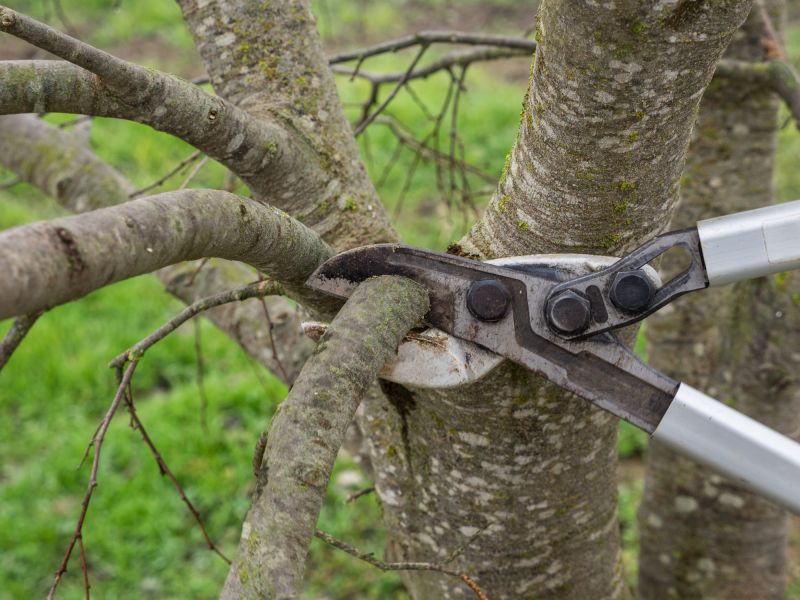
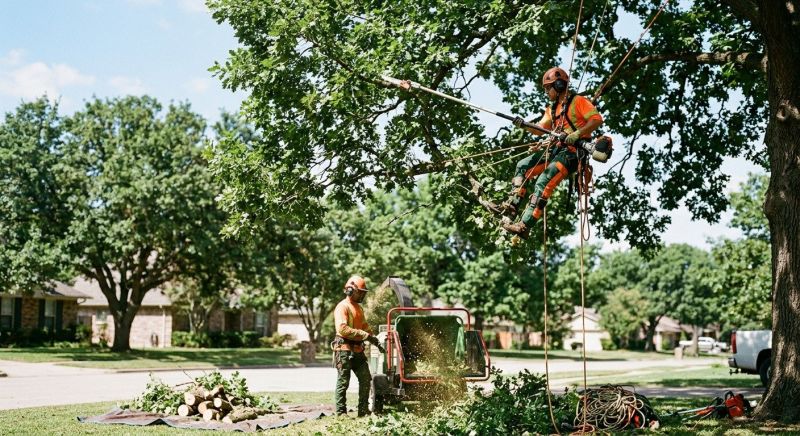
Canopy pruning services involve carefully trimming and shaping the upper branches of trees to promote healthy growth, improve safety, and enhance the overall appearance of the property. This type of pruning is often requested for trees with overgrown or unruly canopies, trees that pose a risk of falling branches, or those that need to be maintained for aesthetic reasons. Projects may include removing dead or diseased limbs, thinning dense areas to allow more light penetration, or reducing the size of a canopy to prevent interference with structures or power lines.
Homeowners considering canopy pruning should understand the importance of proper technique to avoid damaging the tree or creating safety hazards. It is helpful to know the specific goals for the tree, such as improving health, safety, or visual appeal, and to communicate any concerns about nearby structures or utilities. Clarifying the scope of work and desired outcomes can ensure that the pruning is performed effectively and safely, contributing to the ongoing health and beauty of the landscape.
Many property owners in Allentown, PA look into Canopy Pruning for repairs, replacements, upgrades, and appearance-related improvements.
Canopy Pruning For Tree Health
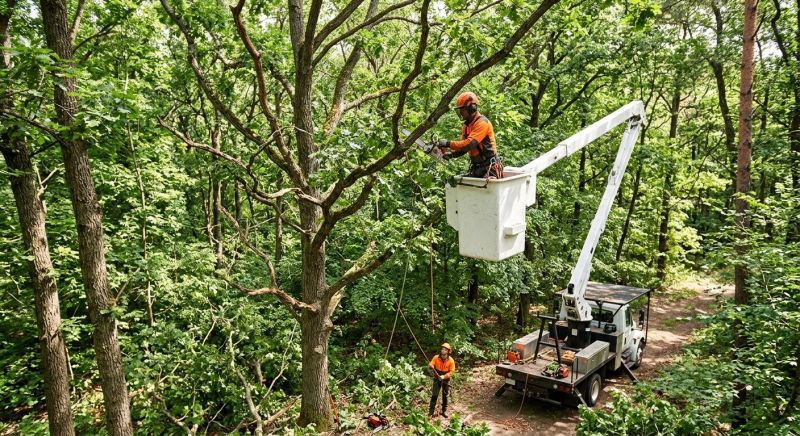
Proper pruning helps maintain the strength and longevity of canopy trees in allentown neighborhoods.
Aesthetic Improvement
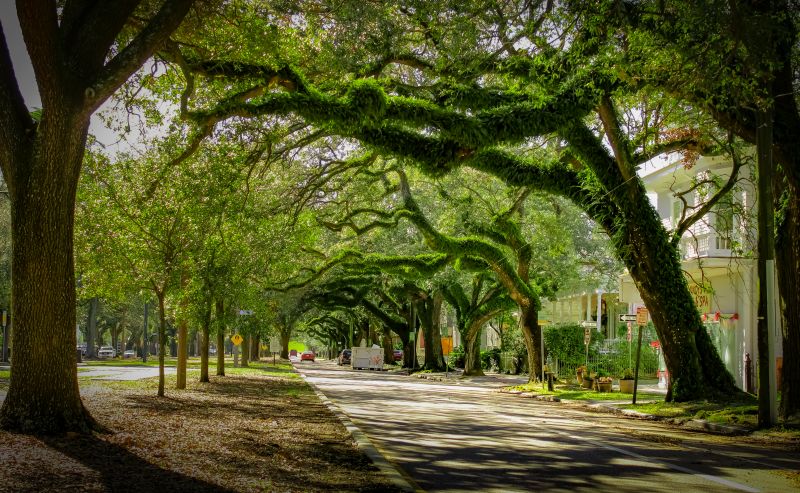
Pruning can enhance the appearance of trees, creating a more attractive landscape around residential and commercial properties.
Safety And Clearance
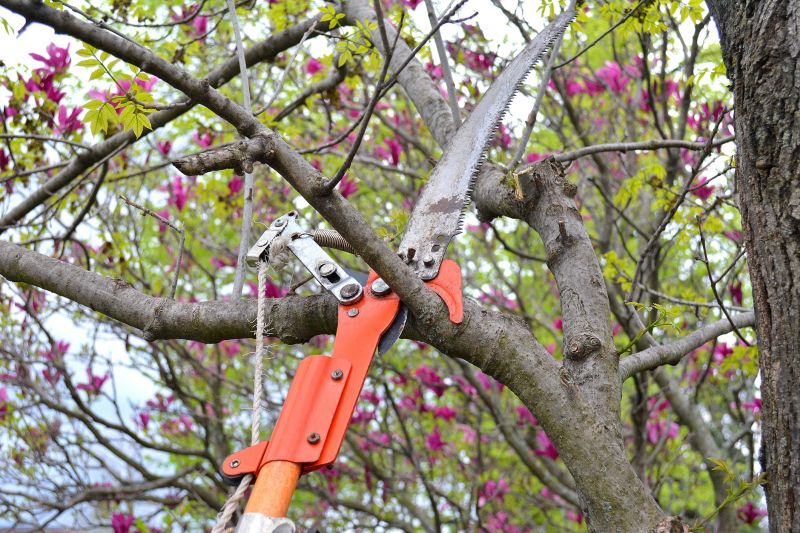
Removing overgrown or damaged branches reduces hazards and improves clearance around walkways and structures in allentown areas.
Canopy Pruning in Allentown, PA
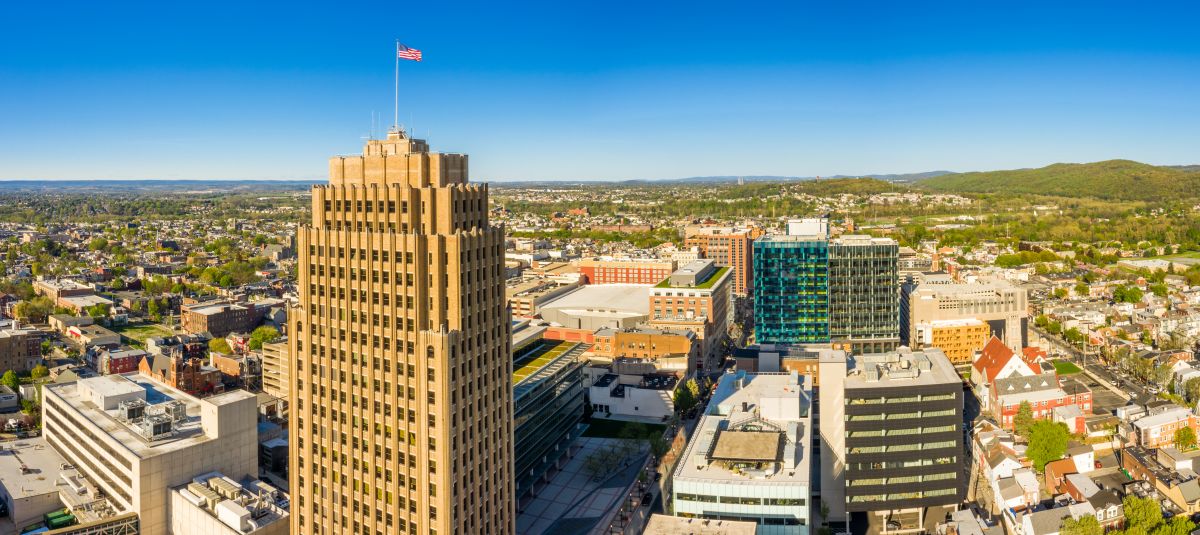
Canopy pruning services involve carefully trimming and shaping the upper branches of trees to promote healthy growth, improve safety, and enhance the overall appearance of the property. This type of pruning is often requested for trees with overgrown or unruly canopies, trees that pose a risk of falling branches, or those that need to be maintained for aesthetic reasons. Projects may include removing dead or diseased limbs, thinning dense areas to allow more light penetration, or reducing the size of a canopy to prevent interference with structures or power lines.
Homeowners considering canopy pruning should understand the importance of proper technique to avoid damaging the tree or creating safety hazards. It is helpful to know the specific goals for the tree, such as improving health, safety, or visual appeal, and to communicate any concerns about nearby structures or utilities. Clarifying the scope of work and desired outcomes can ensure that the pruning is performed effectively and safely, contributing to the ongoing health and beauty of the landscape.
Many property owners in Allentown, PA look into Canopy Pruning for repairs, replacements, upgrades, and appearance-related improvements.
Common Canopy Pruning Jobs
Canopy pruning - helps maintain the overall shape and health of mature trees.
Structural pruning - removes weak or crossing branches to improve stability.
Formative pruning - guides young trees to develop strong, balanced growth.
Safety pruning - eliminates dead or hazardous branches near walkways and structures.
Thinning - reduces canopy density to improve sunlight and air circulation.
Crown reduction - decreases the height or spread of a canopy to prevent interference with property.

Canopy Pruning Questions
What is canopy pruning? Canopy pruning involves trimming the upper branches of trees to improve health, shape, and safety.
Why should property owners consider canopy pruning? It helps maintain tree structure, encourages healthy growth, and reduces hazards from falling branches.
When is the best time for canopy pruning? The ideal time is during the tree's dormant season, typically late winter or early spring.
What types of trees benefit from canopy pruning? Most deciduous and some evergreen trees can benefit from canopy pruning to promote vitality and safety.
Request Canopy Pruning in Allentown, PA
Use the quote form on this page to share the basics of your project and request more information for the type of work you need.