Dead Tree Removal in Allentown, PA
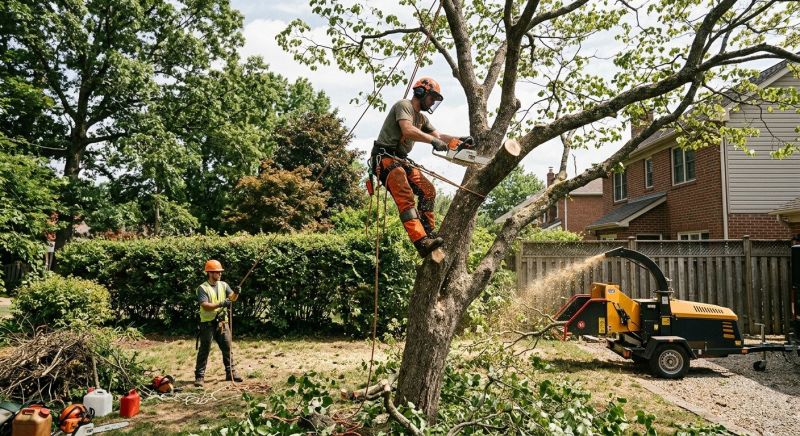
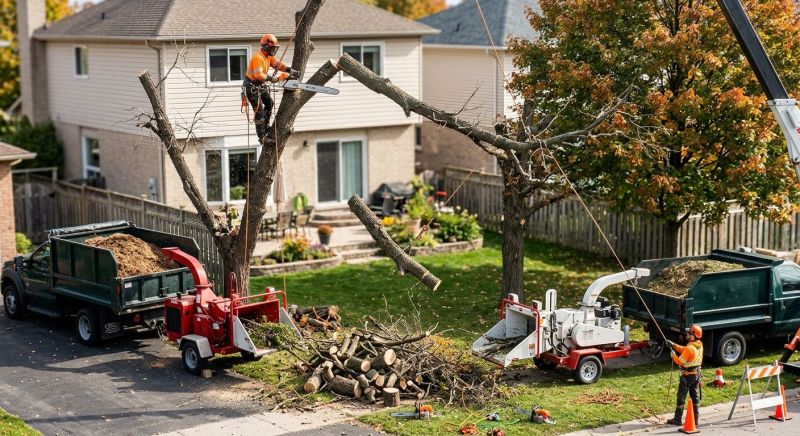
Dead tree removal services involve the safe and efficient removal of trees that are dead, decaying, or pose a risk to property and safety. This type of project typically includes assessing the tree’s condition, planning the best method for removal, and performing the work to eliminate the tree and its debris from the property. Homeowners often request this service when a dead or dying tree threatens to fall, crowds nearby structures, or becomes an eyesore that affects the landscape’s appearance.
Before requesting dead tree removal, property owners should consider the location of the tree, its size, and any potential obstacles around it. Understanding whether the tree is near power lines, buildings, or other valuable landscaping can help determine the complexity of the project. Additionally, knowing the condition of the tree and any potential hazards can assist in planning the safest and most effective removal process. Clear communication about these details can ensure the work is completed efficiently and safely.
Many property owners in Allentown, PA look into Dead Tree Removal for repairs, replacements, upgrades, and appearance-related improvements.
Dead Tree Removal Services
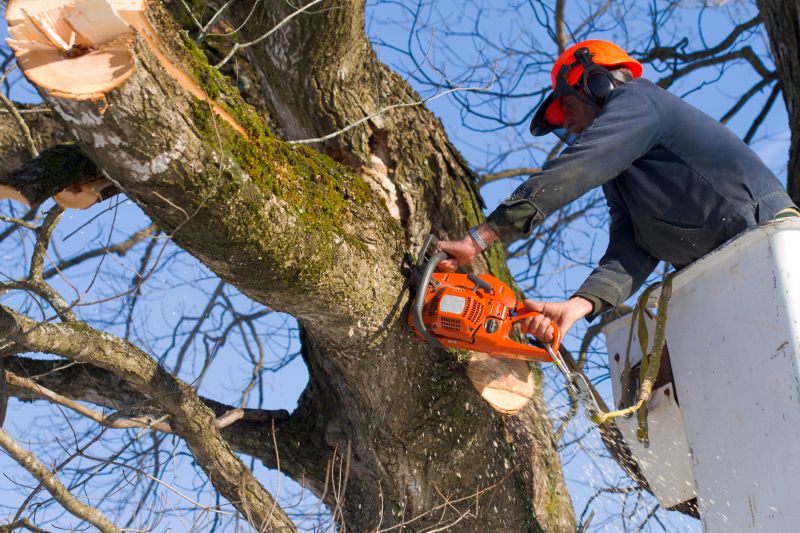
Examples of dead tree removal work property owners may explore in allentown, pa.
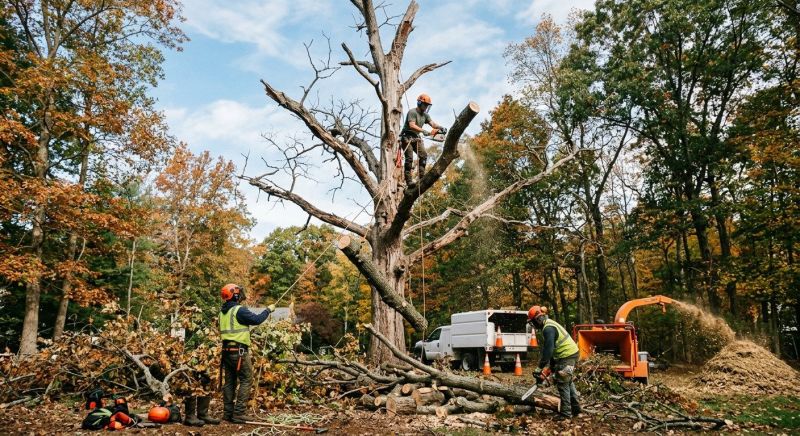
Dead Tree Removal Updates
Common ways people refresh, improve, or restore dead tree removal features in allentown, pa.
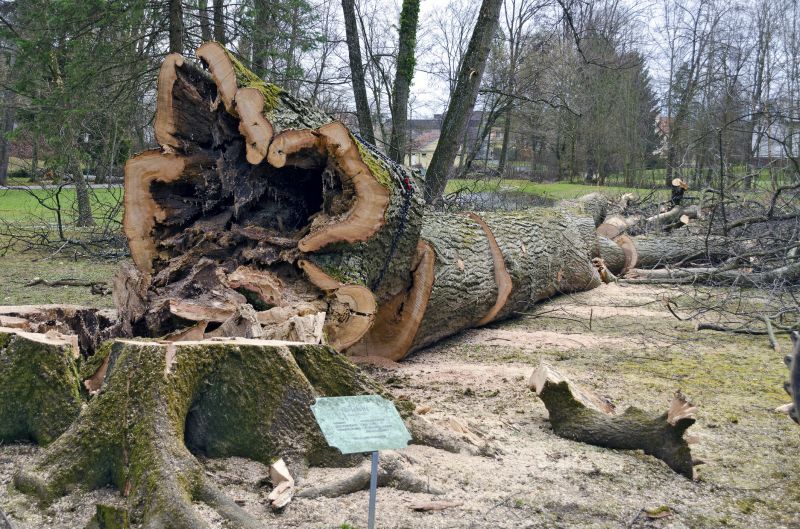
Dead Tree Removal Options
Different styles, layouts, and finishes people consider for dead tree removal in allentown, pa.
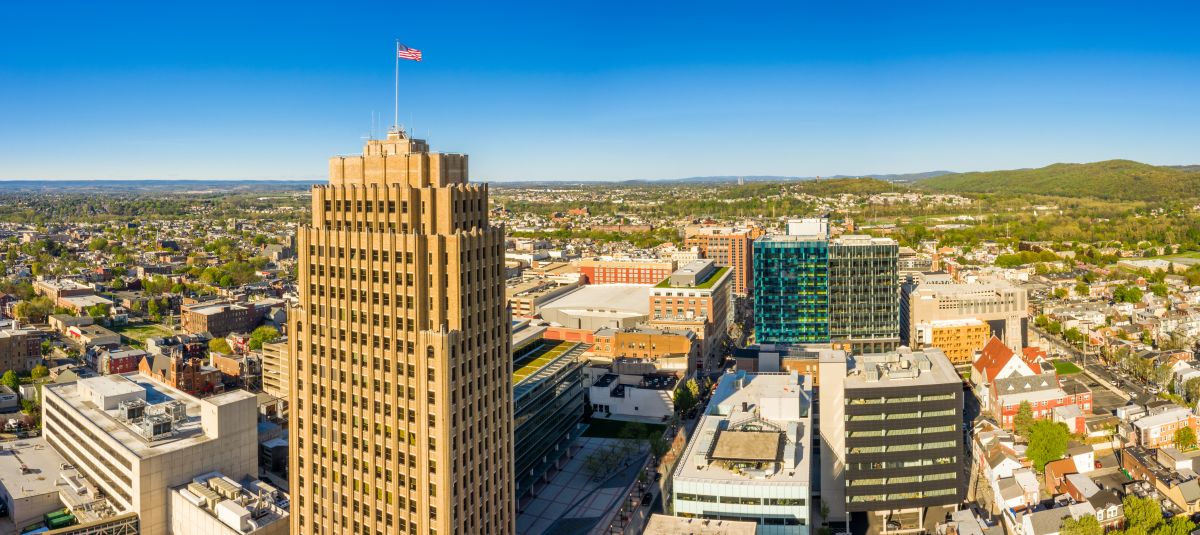
Dead Tree Removal in Allentown, PA
Dead tree removal services involve the safe and efficient removal of trees that are dead, decaying, or pose a risk to property and safety. This type of project typically includes assessing the tree’s condition, planning the best method for removal, and performing the work to eliminate the tree and its debris from the property. Homeowners often request this service when a dead or dying tree threatens to fall, crowds nearby structures, or becomes an eyesore that affects the landscape’s appearance.
Before requesting dead tree removal, property owners should consider the location of the tree, its size, and any potential obstacles around it. Understanding whether the tree is near power lines, buildings, or other valuable landscaping can help determine the complexity of the project. Additionally, knowing the condition of the tree and any potential hazards can assist in planning the safest and most effective removal process. Clear communication about these details can ensure the work is completed efficiently and safely.
Many property owners in Allentown, PA look into Dead Tree Removal for repairs, replacements, upgrades, and appearance-related improvements.
Common Dead Tree Removal Jobs
Dead Tree Removal - safely removes hazardous or decayed trees to protect property and safety.
Stump Grinding - eliminates tree stumps to improve landscape aesthetics and prevent pest issues.
Emergency Tree Removal - handles urgent situations involving fallen or unstable dead trees.
Selective Tree Removal - removes specific dead or dying branches to maintain tree health and safety.
Property Clearing - clears dead trees and debris from yards to prepare for landscaping or construction.
Tree Hazard Assessment - evaluates dead trees to determine risk levels and necessary removal actions.
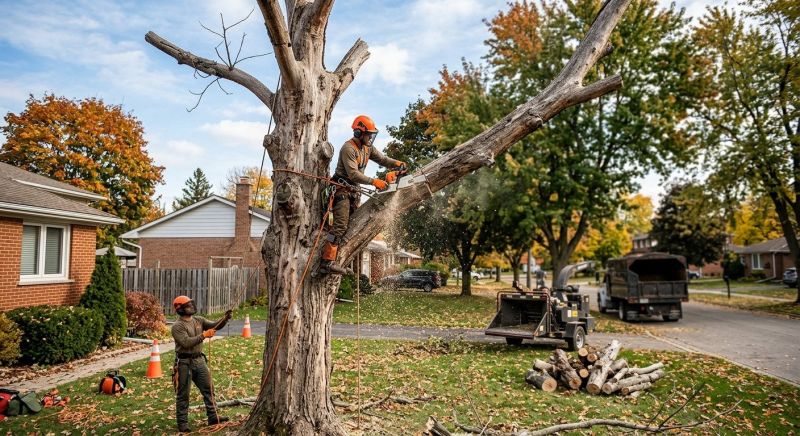
Dead Tree Removal Questions
What types of trees are suitable for removal? Any dead, diseased, or hazardous trees can be considered for removal to improve safety and property appearance.
Why remove a dead tree? Removing dead trees reduces the risk of falling branches or trunks that could cause damage or injury.
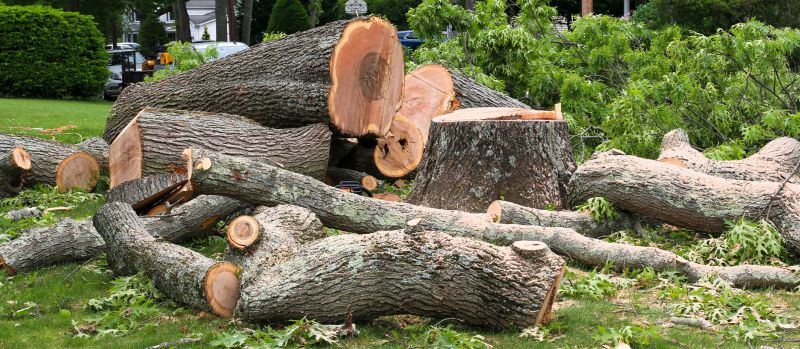
How is a dead tree removed? The process typically involves cutting down the tree and removing the debris, with options for stump grinding or removal as needed.
When is the best time to remove a dead tree? Dead trees can be removed at any time of year, though some prefer to avoid removal during extreme weather conditions.
Request Dead Tree Removal in Allentown, PA
Use the quote form on this page to share the basics of your project and request more information for the type of work you need.